ASP & Co. — Creation Research & Visual Storytelling
We document the places that stay with you.
ASP & Co. curates visual portfolios that help businesses and destinations express their connection to the places they call home — through extended presence, not visits.
From Higher Ground
The Model
One Framework. Three Outputs.
Every application of the 225 Framework resolves into the same three deliverables. Sequential — each built from the one before it.
Every place ASP & Co. enters produces the same three things.
01
A complete photographic record — every image built from on-the-ground research across the natural environment, the cultural life, and the present-day condition of a place. This is the Visual Reckoning.
02
A written account — two documents from the same research. One public, one private. The public document governs how the imagery is licensed and tells the fullest story of a place ASP & Co. can tell. The private one is written for a specific client. This is the Written Reckoning.
03
A lived experience — programming, routes, and itineraries built from what the research established. Not from marketing instinct. This is the Physical Reckoning.
Rose Cemetery & The Bahamian Hook Spongers of Tarpon Springs
Field documentation of Rose Cemetery — the conch shell graves, east-west burial orientation, and the Bahamian sponging heritage that preceded the Greek arrival.
27.773° N, 82.639° W · St. Petersburg, FL · Est. 2025
ASP & Co. — The Founder's Portfolio
Living archives of the places that matter.
Each record is a living field document — part photography, part personal record. Places with deep relationships earn a record. Others enter The Archive. All are available for licensing.
Who We Work With
The work is entered through one of four doors.
Place
DMOs, CVBs, conservation organizations, coastal and environmental institutions.
Practice
Cultural institutions, faith communities, culinary and music heritage organizations.
People
Artists, musicians, community elders, cultural practitioners whose origin ASP & Co. documents.
Every place ASP & Co. enters becomes a permanent part of the Archive. What begins as field research resolves into a visual record, a written account, and a lived experience — built from the ground up, place by place.
Enter through the work. Or go straight to the Archive.
The Founder's Portfolio
A curated glimpse of the work — the places, the people, and the geographies that define the practice. The invitation.
The full body of research. Every Identity Portfolio, every location ASP & Co. has entered, organized by geography and documented through the 225 Framework.
The geography itself — waterways, coastal corridors, ecological zones. The land and water as document.
Practice
How communities do the things that define them — worship, music, craft, cuisine. The living expressions of a geography.
People
The living carriers of origin — artists, pastors, elders, practitioners. When this tag activates, the work shifts from documenting a geography to documenting a person who embodies it.
Passage
The applied commercial layer — experience design, operator partnerships, hospitality programming. Passage is what the other three make possible.
These archives are field records — active, growing research documents from a practice rooted in the American coastal South and expanding outward. The geographic thesis: coastal communities with layered cultural histories are systematically underrepresented by the imagery that's supposed to speak for them. Barrier islands, river mouths, port towns, cultural heritage corridors — each distinct, each carrying histories worth documenting honestly. Click a pin to explore a node in that chain.
Brunswick · New Hanover · Pender Counties, NC
The Lower Cape Fear Archive.
The origin point of the practice. The Lower Cape Fear corridor is where the geographic thesis first took shape — a chain of coastal communities between the water and the pines, connected by the Cape Fear River and a shared cultural heritage that most destination photography has never reached. Four nodes. One field record. Movement III documentation active across the corridor.
4
Documented nodes
3
Counties covered
Custom
Licensing portfolios available
Navigate the corridor — click a node to jump to that section
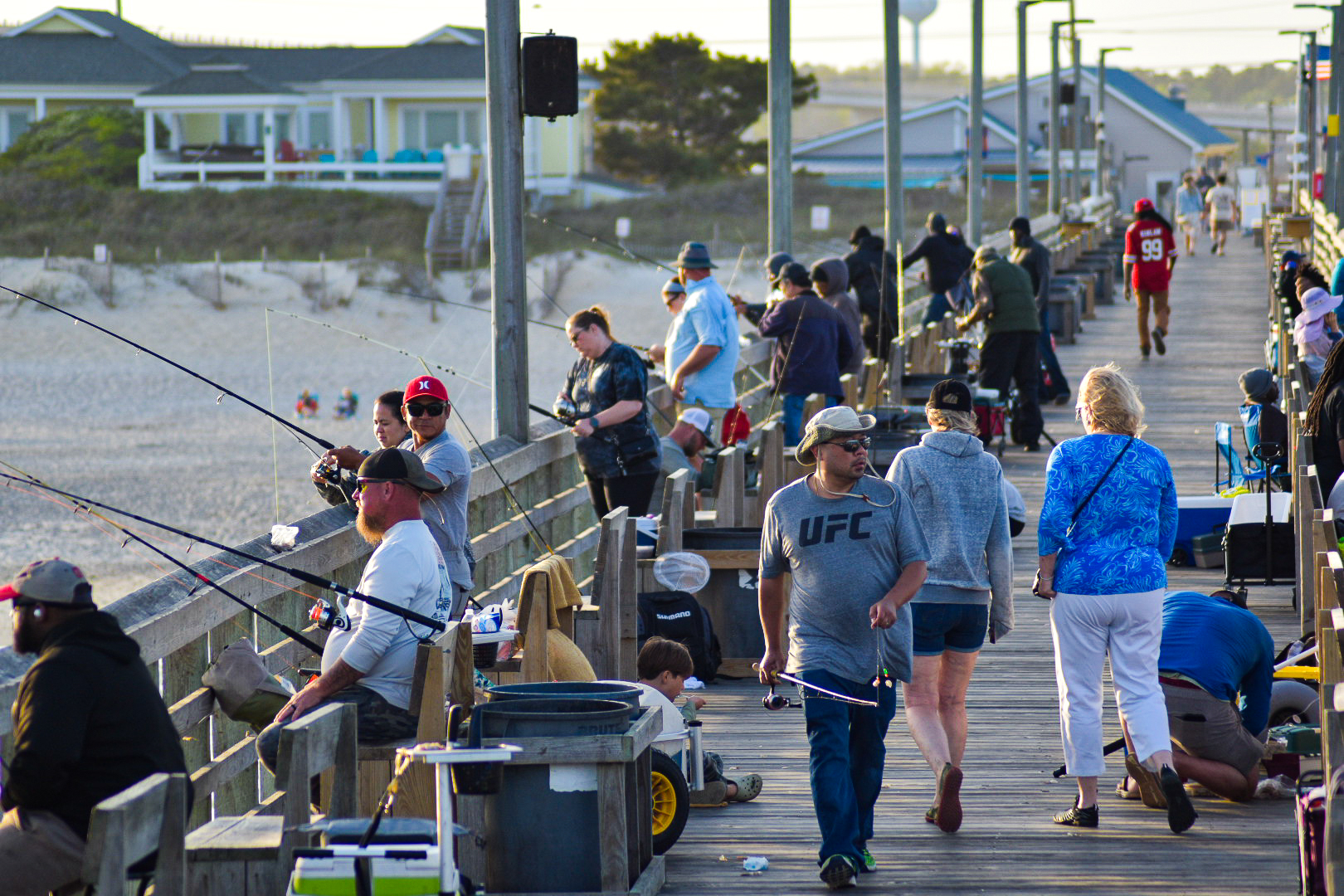
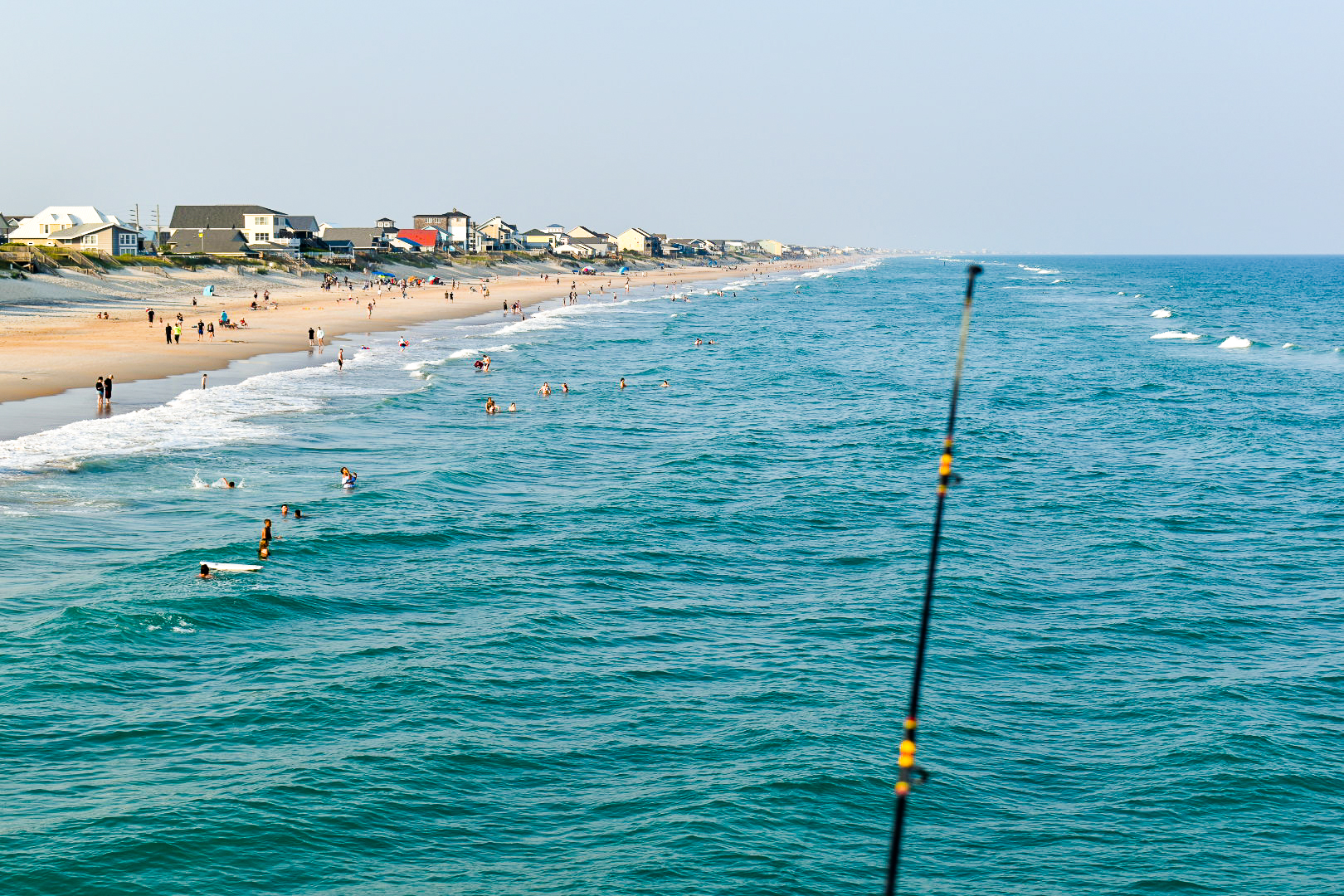
A barrier island that never got famous — and is better for it. Topsail Island carries the weight of its military past lightly, and Surf City sits at its center like a town that decided not to become something else. The beach here is wide, the access is easy, and the people who come back every year are the ones who found it before it changed.
Surf City & Topsail Island — Selected imageryFull collection available on request
Topsail Beach
Topsail Beach
Surf City Pier
Surf City Pier
New River Inlet
New River Inlet
Roland Ave
Roland Ave
Sound Side
Sound Side
Barrier Dunes
Barrier Dunes
Beach Access
Beach Access
Sunrise Shoreline
Sunrise Shoreline
New Hanover County, NC34.2257° N, 77.9447° W
Wilmington
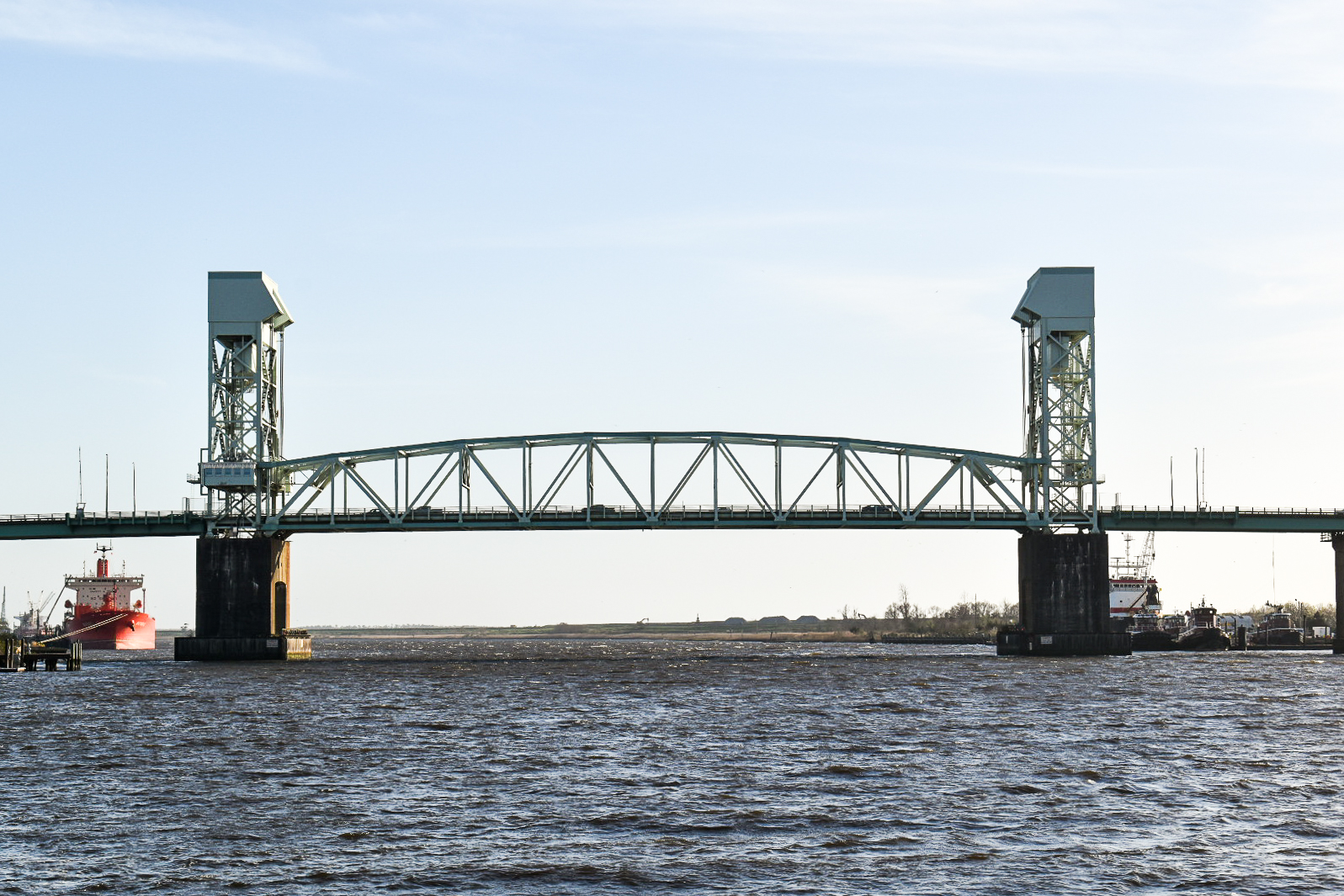
The cultural anchor of the corridor. Wilmington sits at the mouth of the Cape Fear River with a downtown that has outlasted multiple versions of itself — antebellum architecture, a working waterfront, Black cultural institutions, and a film industry that arrived and stayed. The river is always in view.
Wilmington — Selected imageryFull collection available on request
Cape Fear Riverfront
Cape Fear Riverfront
Historic Downtown
Historic Downtown
Brooklyn Arts District
Brooklyn Arts District
Greenfield Lake
Greenfield Lake
Wrightsville Beach
Wrightsville Beach
Carolina Beach
Carolina Beach
Battleship NC
Battleship NC
Port City Streets
Port City Streets
Brunswick County, NC33.9201° N, 78.0153° W
Southport
Southport sits where the Cape Fear River meets the Atlantic — a town that pilots and fishermen built, that writers and painters found later. The streets are old enough to curve around things that no longer exist. The ferry to Bald Head Island runs from the waterfront, and the lighthouse at Oak Island is visible from the pier.
Southport — Selected imageryFull collection available on request
Waterfront Park
Waterfront Park
Southport Marina
Southport Marina
Old Smithville Burying Ground
Old Smithville Burying Ground
Howe Street
Howe Street
Cape Fear Ferry
Cape Fear Ferry
Franklin Square
Franklin Square
Yacht Basin
Yacht Basin
Waterway Views
Waterway Views
Brunswick County, NC33.9154° N, 78.1500° W
Oak Island
Twenty-five miles of coastline with no high-rises and a building height limit that has held. Oak Island is the kind of beach town that families return to for decades — low-key, wide-beach, and genuinely unhurried. The Oak Island Lighthouse is one of the most powerful in the country and the brightest on the East Coast.
Oak Island — Selected imageryFull collection available on request
Oak Island Lighthouse
Oak Island Lighthouse
Caswell Beach
Caswell Beach
Long Beach
Long Beach
Middleton Ave
Middleton Ave
Yaupon Beach
Yaupon Beach
Davis Canal
Davis Canal
Beach Access Roads
Beach Access Roads
Sound Shoreline
Sound Shoreline
License the corridor, or a single node.
The Lower Cape Fear is where the practice began — and the field record here runs the deepest. The corridor can be licensed as a whole or by individual node. The barrier islands, the Cape Fear River, the cultural heritage corridors, the towns that didn't become resorts — six years of primary source documentation.
Tourism boards, DMOs, and cultural institutions working in this region have access to imagery that goes beyond surface photography. Every inquiry is a direct conversation.
RightsNegotiated per use — web, print, campaign, editorial
By NodeSurf City · Wilmington · Southport · Oak Island
Full CorridorAll four nodes, custom assembled
Contact
Pinellas County, FL — Full Collection
The Tarpon Archive.
Tarpon Springs is one of the most culturally layered coastal communities in the American coastal South — and one of the least accurately documented. Greek sponge diving heritage and Bahamian cultural roots exist in the same city, separated by geography but connected by water. This field record documents both, from the inside.
2
Documented nodes
12+
Locations documented
Custom
Licensing portfolios
Navigate the nodes — click a pin to jump to that section
Tarpon Springs, FL — Anclote River28.1486° N, 82.7537° W
Sponge Docks & Spring Bayou
The story of the Tarpon Springs sponge docks begins with the Bahamians — Black sponge fishermen who settled here in the late 1800s and introduced the traditional hook method, working the Gulf beds before anyone else had a commercial operation. The Greeks arrived in the early 1900s, bringing helmet diving and a more industrial approach that transformed the trade. Both communities built this place. The docks carry both histories, though one has been told louder than the other. Spring Bayou anchors the inland side — a freshwater spring ringed by Victorian architecture that makes this part of town feel like a different century.
Sponge Docks — Selected imageryFull collection available on request
Sponge Docks
Sponge Docks
Dodecanese Blvd
Dodecanese Blvd
Spring Bayou
Spring Bayou
St. Nicholas Cathedral
St. Nicholas Cathedral
Greektown
Greektown
Anclote River
Anclote River
Historic Downtown
Historic Downtown
Spongeorama
Spongeorama
Rose Cemetery
Rose Cemetery
Tarpon Springs, FL — North Jasmine Ave28.1481° N, 82.7342° W
Rose Cemetery & Tarpon's Bahamian Heritage
Rose Cemetery — also known as Rose Hill Cemetery — is the oldest and largest intact segregated African-American cemetery in Pinellas County, established in the early 1900s on North Jasmine Avenue. The Bahamian community buried here includes the hook spongers who built the trade before the Greeks arrived, community founders, church leaders, and civil rights figures. The graves tell the story plainly: conch shells from Eleuthera left on headstones, east-west burial orientation carried over from African and Caribbean tradition, cinder blocks with a single date where funding ran out for stone. This is where Black Tarpon Springs keeps its record. The Union Academy neighborhood — the epicenter of the city's Bahamian community — sits nearby, its streets the living counterpart to what the cemetery holds.
Rose Cemetery & Bahamian Heritage — Selected imageryFull collection available on request
Rose Cemetery Gates
Rose Cemetery Gates
Conch Shell Graves
Conch Shell Graves
Historic Headstones
Historic Headstones
Handmade Markers
Handmade Markers
Union Academy
Union Academy
Bahamian Community
Bahamian Community
North Jasmine Ave
North Jasmine Ave
Community Grounds
Community Grounds
Tarpon Springs, FL — Gulf Coast28.1625° N, 82.8020° W
Fred Howard Park & Sunset Beach
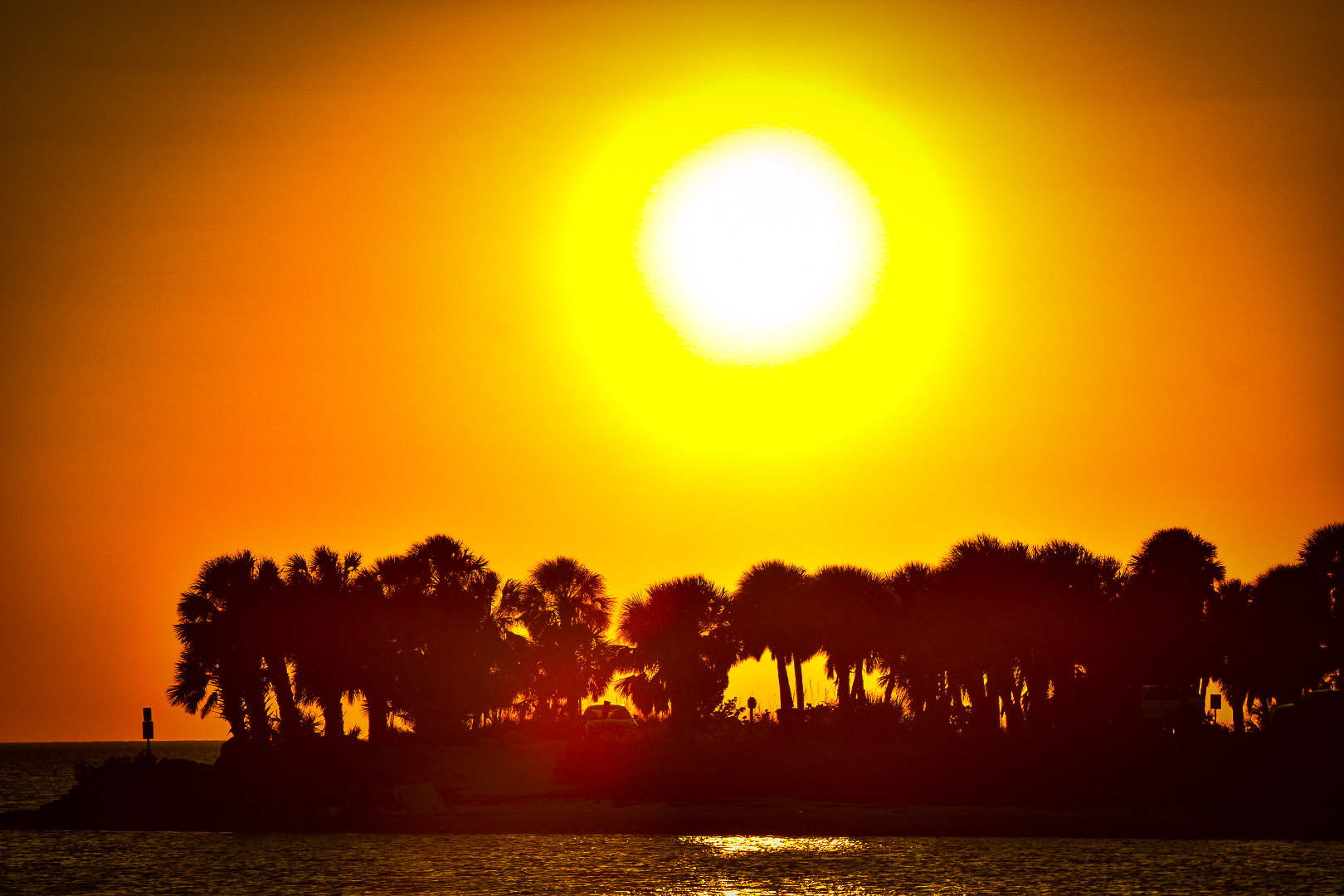
The Gulf-facing side of Tarpon Springs — a causeway park that ends in a beach that hasn't been developed past its own good sense. Fred Howard Park is one of the better-kept coastal parks in Pinellas County, and Sunset Beach sits just south, a small residential strip with water on both sides. The light at the end of the causeway at dusk is something specific to this place.
Fred Howard Park — Selected imageryFull collection available on request
Fred Howard Park
Fred Howard Park
Causeway Drive
Causeway Drive
Sunset Beach
Sunset Beach
Gulf Shoreline
Gulf Shoreline
Anclote Key View
Anclote Key View
Picnic Islands
Picnic Islands
Tidal Flats
Tidal Flats
Dusk Light
Dusk Light
License the docks, the beach, or both.
The Tarpon Springs archive is a field record of a city that carries more cultural history than its reputation suggests. The sponge docks, the Bahamian community, the Gulf-facing coastline — documented from the inside, through sustained presence.
What you license is primary source material from a research practice that has been present long enough to see what Tarpon Springs actually looks like. Every inquiry is a direct conversation.
RightsNegotiated per use — web, print, campaign, editorial
By NodeSponge Docks · Rose Cemetery · Fred Howard Park
CoverageSponge Docks, Dodecanese Blvd, Spring Bayou, St. Nicholas Cathedral, Fred Howard Park, Sunset Beach, Anclote River & more
Contact
Pinellas County, FL — Full Collection
The St. Pete Archive.
St. Petersburg is the home base of the practice — the place where the research runs deepest and the archive grows fastest. Documented across two distinct geographies: the bay-side city with its cultural corridors and neighborhood histories, and the Gulf-side barrier islands with their own light and character. A field record of a city mid-negotiation with its own identity.
2
Documented nodes
12+
Locations documented
Custom
Licensing portfolios
Navigate the nodes — click a pin to jump to that section
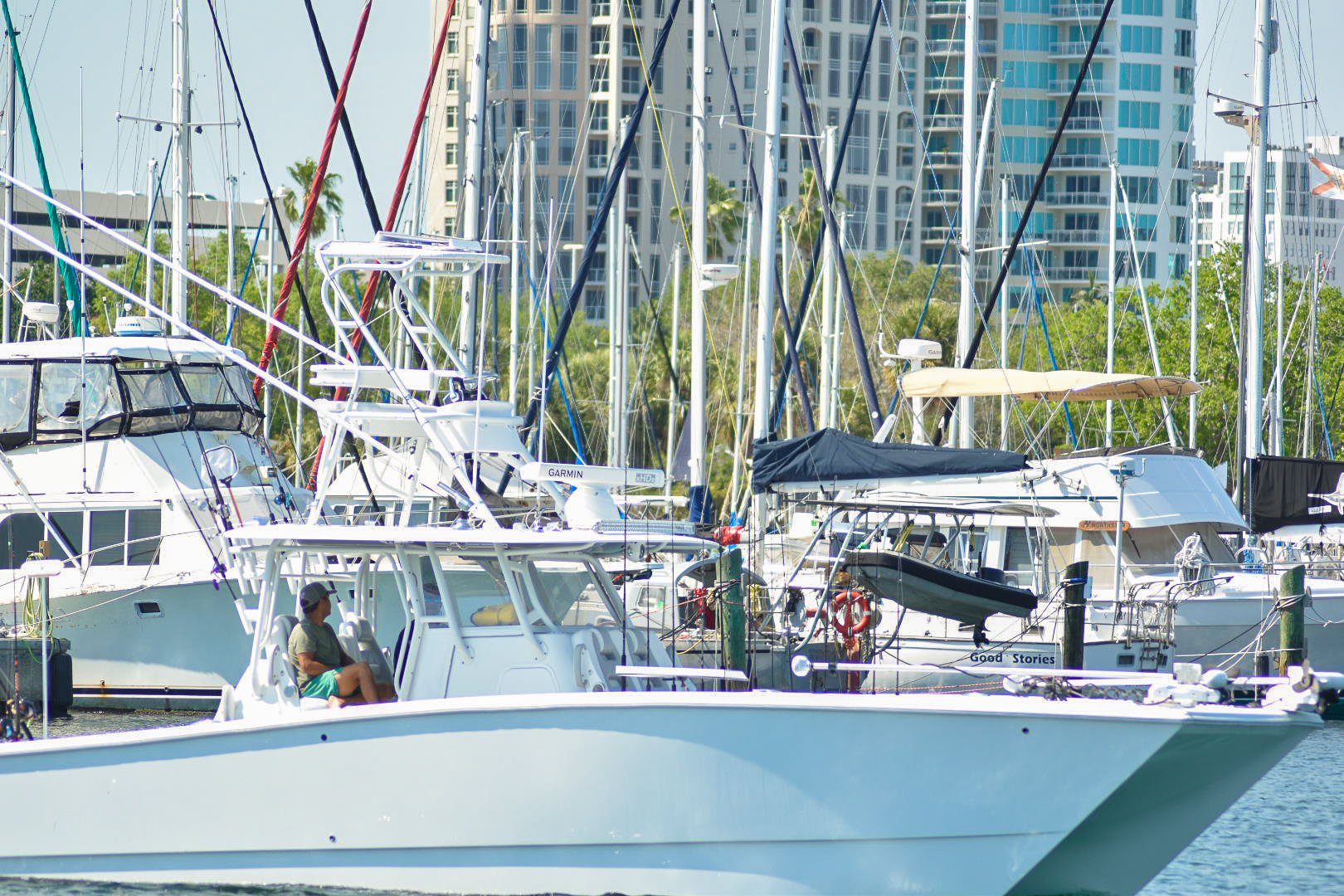
Pinellas County, FL — Tampa Bay27.7731° N, 82.6393° W
St. Petersburg
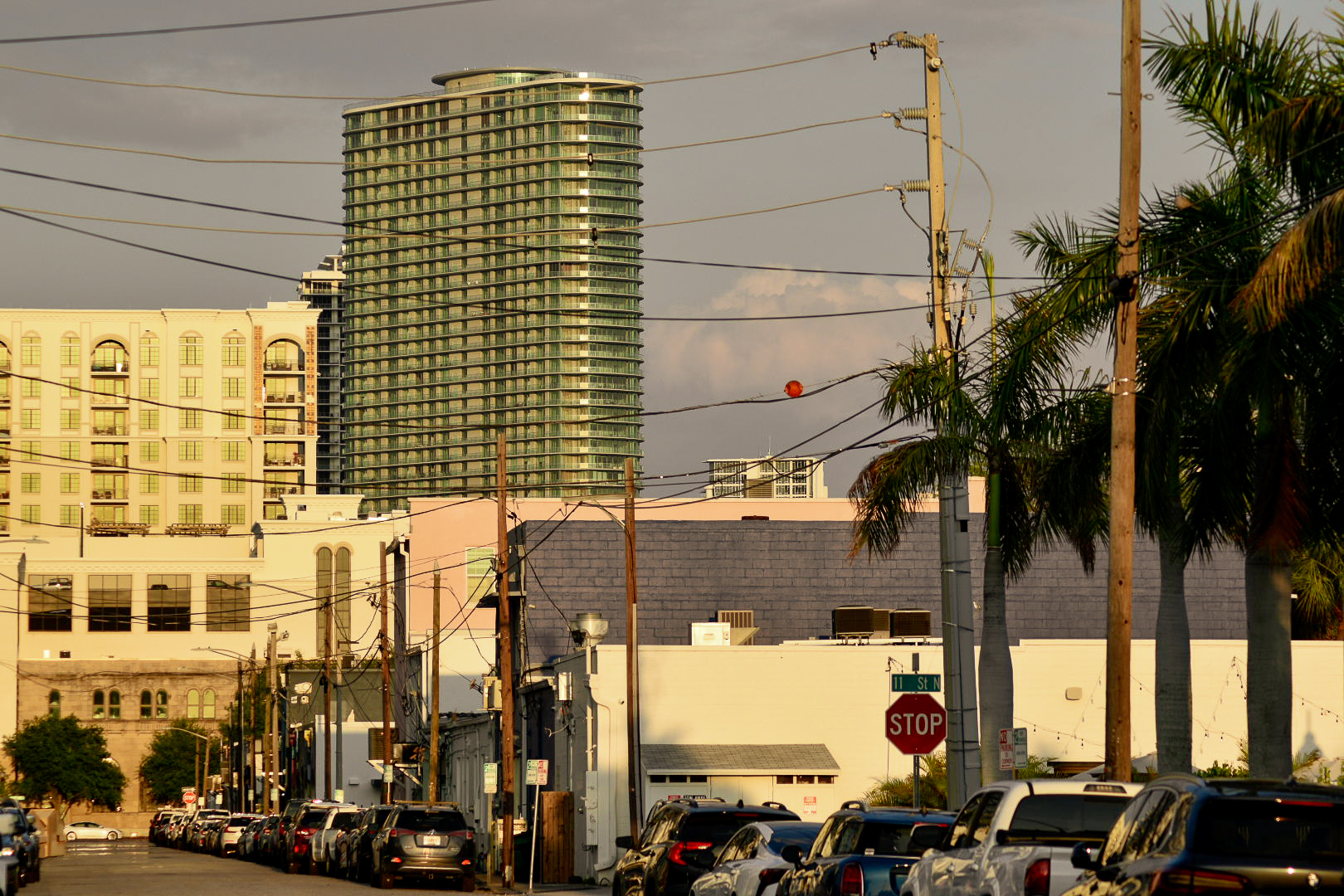
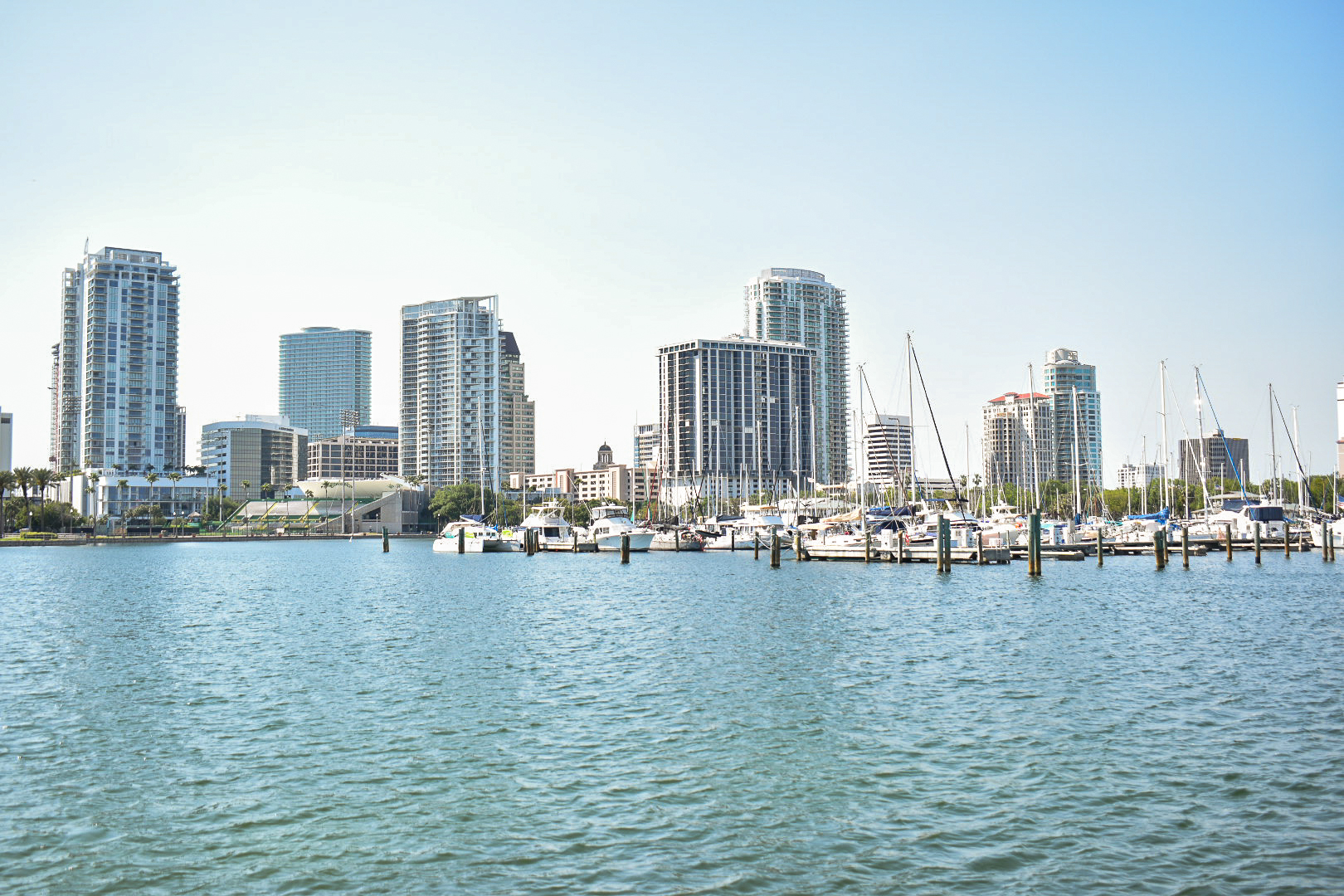
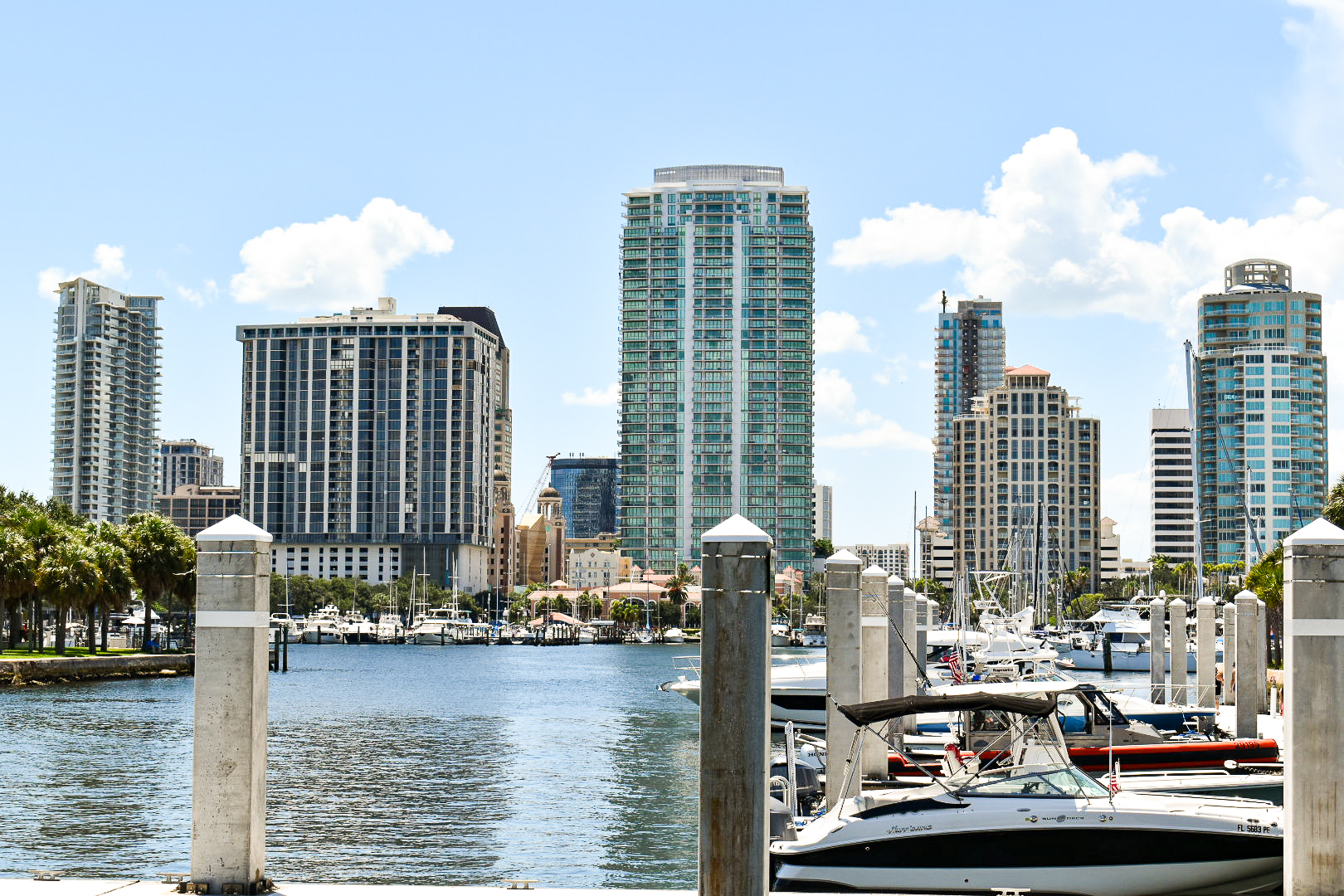
The city itself — its blocks, its people, its cultural weight. The Southside institutions that predate the development wave, the Warehouse Arts District, Roser Park with Booker Creek running through it to the bay, the Deuces, and Beach Drive at the edge of the water. St. Pete documented from the inside.
St. Petersburg — Selected imageryFull collection available on request
Southside
Southside
The Deuces
The Deuces
Warehouse Arts
Warehouse Arts
Roser Park
Roser Park
Booker Creek
Booker Creek
Beach Drive
Beach Drive
Downtown Core
Downtown Core
Central Ave
Central Ave
Pinellas County, FL — Gulf of Mexico27.7302° N, 82.7416° W
St. Pete Beach & The Barrier Islands
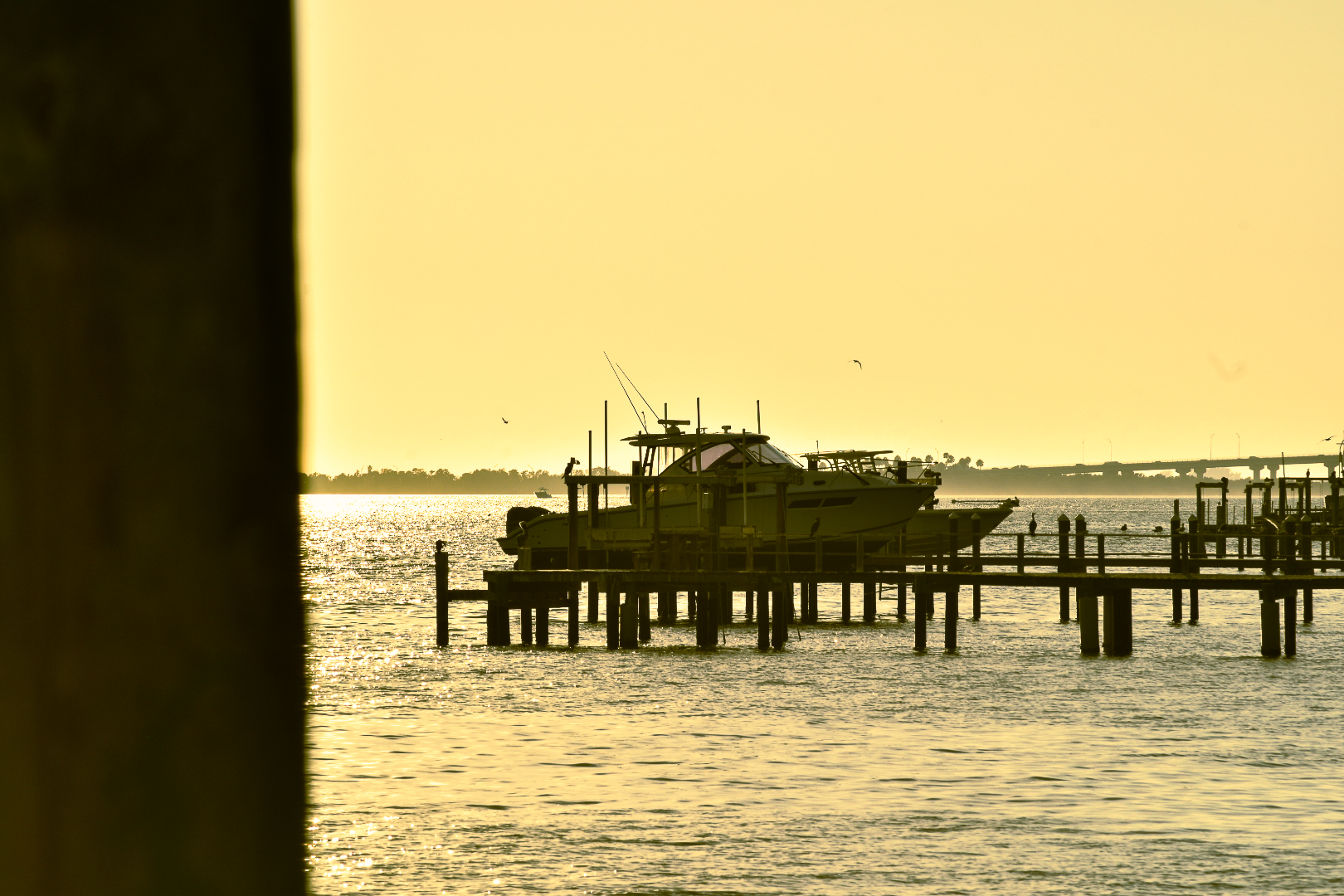
The barrier island chain running down Pinellas County's Gulf side — from Madeira Beach south to Pass-a-Grille. Each community has its own texture: Treasure Island's low-key family permanence, St. Pete Beach's older hospitality bones, Pass-a-Grille's quiet end-of-the-road feeling. The Gulf light here is different from the bay.
The Beaches — Selected imageryFull collection available on request
Pass-a-Grille
Pass-a-Grille
St. Pete Beach
St. Pete Beach
Treasure Island
Treasure Island
Madeira Beach
Madeira Beach
Indian Shores
Indian Shores
Gulf Boulevard
Gulf Boulevard
Sunset Vistas
Sunset Vistas
Beach Access
Beach Access
License the city, the beaches, or both.
The St. Pete archive is primary source material from a research practice headquartered here. Both sides of Pinellas County — the bay-side city with its cultural corridors, and the Gulf-side barrier islands with their own distinct light — documented through sustained presence, not single visits.
Tourism boards, hospitality brands, and cultural institutions license from this collection because the imagery reflects the place as it actually is. Every inquiry is a direct conversation — no preset packages, no middlemen.
RightsNegotiated per use — web, print, campaign, editorial
By NodeSt. Pete · The Beaches
CoverageSouthside, The Deuces, Warehouse Arts, Roser Park, Beach Drive, Pass-a-Grille, St. Pete Beach, Treasure Island, Madeira Beach & more
Contact
The Work · ASP & Co.
License Imagery.
01How Licensing Works
Every image in the ASP & Co. Archive comes from research. That is what makes it different from stock.
Place-based visual content is available to businesses, publications, DMOs, hospitality brands, and cultural institutions in two ways. One draws from what already exists in the Archive. The other builds something new.
License Imagery
02From the Archive
The Visual Reckoning is available for licensing at two levels.
Known Portrait imagery — the recognized visual identity of a place as documented through ASP & Co.'s lens — is available now for every active Identity Portfolio. This is the foundation. It reflects what a place is already known for, captured with the rigor and perspective ASP & Co. brings to every location it enters.
Record imagery goes deeper — into the cultural heritage, lived reality, and the stories a place's reputation has left out. This imagery is released for licensing only after that Record's Reckoning of Place is complete and published. As each Reckoning is finished, the licensing parameters for that Portfolio expand. Agreements are structured to grow with the research rather than freeze at a single transaction.
Currently Available
Known Portrait imagery from the Saint Petersburg Identity Portfolio. Additional Portfolios are in active development — Nashville, Miami, and Tarpon Springs Known Portrait imagery will be available as each reaches completion. Record imagery releases as individual Reckonings are completed.
The Visual Reckoning
New location documentation
03Commissioned Place Portfolios
If ASP & Co. has not yet documented your location, that is not a barrier — it is an invitation.
A Commissioned Place Portfolio brings ASP & Co.'s full research methodology to a location on behalf of a specific client. The client receives custom place-based visual content rooted in genuine on-the-ground documentation — imagery that reflects the cultural identity, geographical character, and lived reality of the place, not a surface reading of it. ASP & Co. enters a new location market, builds the research foundation, and adds the documentation to the Archive.
No stock library produces this. The imagery exists because the research happened. That is what makes it licensable on terms that mean something.
New Locations
To inquire about licensing existing Archive imagery or commissioning a Place Portfolio for your location, reach out through the contact page.
ASP & Co. — Get in Touch
Let's talk about your place.
Whether you're a business looking to build an authentic visual identity, a tourism board interested in licensing primary source imagery, or a cultural institution with a story worth documenting — every engagement begins with a field research conversation, not a brief.
Direct
St. Petersburg, FL · ASP & Co.
Send a message
Message sent.
Thank you for reaching out. We'll be in touch within 48 hours.
Founder photo or place image
Ashton Stepter · ASP & Co. · Est. 2025
It started on a barrier island in North Carolina.
What follows is how a first beach trip became a field research practice — rooted in the American coastal South, built on a thesis that travels further.
2019Surf City, NC · Topsail Island
The first trip to the North Carolina coast. A first beach trip to Surf City on Topsail Island — a barrier island that never got famous, and is better for it.
What started as a personal trip became the first act of documentation before there was a practice, before there was a name for any of it. The Lower Cape Fear coast was the first region photographed — and it would stay in the frame for years to come.
The seed was planted here, on a quiet stretch of North Carolina coastline, without knowing what it would become.
Origin — Lower Cape Fear
Three years pass
2022St. Petersburg, FL · First Visit
A marine science research internship brings Ashton to St. Petersburg for the first time. The trip was scientific in purpose — but the city made a different impression entirely.
A full portfolio developed in that single summer visit. The waterfront, the neighborhoods, the light off Tampa Bay — documented with the same instinct that had started on a North Carolina barrier island three years earlier.
A seed was planted that summer in St. Pete. It would take three more years to understand what it meant — and to walk fully into the presence it was pointing toward.
Seed planted — St. Petersburg
The corridor deepens
2022–24Lower Cape Fear, NC · The Corridor
A formal introduction to the full breadth of the Lower Cape Fear region. Wilmington, Brunswick County, Southport, Oak Island — documented across three years of ongoing trips.
The work deepened beyond coastal landscape into cultural documentation. The region's profound connection to Gullah Geechee heritage became a central thread — its beaches, coastal environments, and cultural events documented with the same care given to the physical landscape.
The corridor wasn't just a geography. It was a living cultural record — and the practice of documenting it before it changed became a conscious commitment.
Gullah Geechee Heritage — Cultural Documentation
The shift to Florida
2025Florida · ASP & Co. Formalizes
May 2025. The practice expands to Florida — a shift that had been building since that first research trip to St. Pete three years earlier. The seed planted in 2022 finally takes root.
Tarpon Springs enters the archive — the Sponge Docks, Rose Cemetery and the Bahamian community, Fred Howard Park. A city with more layers than its reputation suggests.
St. Petersburg becomes the full-time hub. ASP & Co. formalizes as a practice — the archives, the Identity Portfolios, the licensing model, the retainer relationships. The work that began on a North Carolina barrier island in 2019 finds its shape.
ASP & Co. — St. Petersburg, FL
ASP & Co. — The Work Today
Six years of field research across the American coastal South.
What started on a North Carolina barrier island in 2019 is now a research practice with three active archives and a geographic thesis: that coastal communities with layered cultural histories are systematically underrepresented by the imagery that's supposed to speak for them. The practice is headquartered in the American coastal South — where the work began and runs deepest — but the thesis extends to any coastal place where the visual record is incomplete. A cultural archipelago, expanding. One place at a time, from the inside.
2022→St. Petersburg, FLSt. Pete · The Beaches Active archive — growing
2025→Tarpon Springs, FLSponge Docks · Rose Cemetery · Fred Howard Park Active archive — growing
2019→Lower Cape Fear, NCSurf City · Wilmington · Southport · Oak Island Active archive — growing
Explore the full archive →
The Worldview
Creation Research.
From Higher Ground
Creation research is the act of studying geography and place as living and breathing creation — approaching the coastlines, communities, and environments we enter with the reverence and rigor they deserve, because the places we document are not backdrop. They are alive. And what is alive is worth keeping.
This is the heartbeat of ASP & Co. — rooted in the conviction that geography and place carry meaning that rewards sustained, careful attention. Not the attention of a passing observer, but the attention of someone who believes the earth itself is worth studying the way one studies anything sacred.
We are lovers of geography. That love is not passive. It produces a discipline: the practice of going somewhere, paying deep attention, and asking what this place is trying to say — before a single frame is made, before a portfolio is built, before an experience is designed.
The watchtower is the vantage point. Creation research is the practice that happens from it.
ASP & Co. operates at the intersection of both — elevated enough to observe the full landscape, embedded enough to witness what's at risk, and committed to the work of documentation before others see the loss. We stand at higher ground not to overlook, but to see clearly what is living, what is disappearing, and what is worth restoring.
The Methodology
The 225 Framework.
The operational expression of creation research — named from Joel 2:25.
"I will restore to you the years the locusts have eaten."
— Joel 2:25
The 225 Framework is the operational expression of creation research — the structured pipeline through which the practice of studying living and breathing creation becomes something expressible, licensable, and lasting. It is not a project management system or a content strategy. It is how the worldview becomes the work: a four-phase research-to-expression methodology for entering a place, recovering its documented truth, and returning that truth through visual storytelling, portfolio curation, and experience design. Every engagement, every archive, every Identity Portfolio is the framework in motion.
Movement I
The Physical Record
Intensive study and visual documentation of the natural environment — waterways, geography, ecology, the built landscape. The land and water as they actually exist, before any story is told about them.
Movement II
The Cultural Intersection
Equally intensive study of the cultural heritage and human livelihoods native to that environment — the economies, traditions, and communities that grew directly out of the physical record. This is where the relationship between people and place gets defined.
Movement III
The Lived Reality
The present-day condition. What of that culture survives, what has been commodified, what has been displaced. The gap between how a place markets itself and how its people actually live inside it now.
Movement IV
The Audit and the Gap
The written reckoning. An honest critique of what lifestyle branding has consistently left out — whose story has stopped renewing, whose identity has been frozen in archive while others circulate freely in the present tense. The demand is not to abandon the form. It is to apply it fully.
The 225 Framework is a continuous loop — each trip through the field feeds the next research cycle, and the archive compounds with every project. The practice is headquartered in St. Petersburg, Florida, with residencies established in key coastal and cultural regions as the work expands.
What drives the work
01
Belonging is a credential.
The most important thing a photographer can bring to a place is time already spent there. Not access. Not equipment. Presence — the kind that makes you invisible enough to see what's actually there.
02
Document before it changes.
Every place is mid-negotiation between what it was and what it's becoming. The work of documentation is to catch that moment — not to mourn it, but to make sure there's a record of it.
03
The archive is the product.
A single shoot produces a single moment. An archive produces a relationship — with a place, with its people, with the light at different times of year. That's what's actually valuable to license.
04
Stories over surfaces.
The best destination imagery doesn't show what a place looks like. It shows what it feels like to belong there. That's a harder thing to capture — and the only thing worth trying for.
Who this is for
If you recognize your place in what we document — we'd like to hear from you.
ASP & Co. works on retainer with organizations that have a genuine stake in how their place is represented. Not one-time shoots — ongoing relationships that produce living archives and editorial content that grows over time.
Tourism Boards & DMOsDestination imagery that goes beyond the obvious shot. The places your visitors find on their third trip, not their first.
Hospitality BrandsVisual identity rooted in the place your property actually occupies — the neighborhood, the light, the culture adjacent to your front door.
Cultural InstitutionsDocumentation of community, heritage, and place for organizations whose work is the preservation of exactly these things.
Experiential BusinessesFor businesses whose value proposition is the place itself — the environment, the atmosphere, the sense of being somewhere specific.
Ashton Stepter is the founder of ASP & Co., a creation research practice documenting the intersection of cultural heritage and environmental significance across the American coastal South. The work began in 2019 on a barrier island in North Carolina and has since expanded through St. Petersburg, Florida, where the practice is now headquartered. Stepter identifies as a cultural scientist — approaching geography and place as living subjects worth studying with rigor and reverence before a single frame is made. He is the author of the 225 Framework, ASP & Co.'s four-Movement research methodology for entering a place, recovering its documented truth, and returning it as a Visual, Written, and Physical Reckoning.
Press and interview requests —
The Practice
ASP & Co. is a creation research practice that documents the intersection of cultural heritage and environmental significance in specific places across the American coastal South and Atlantic world. Every engagement follows the 225 Framework, a four-Movement research methodology, which resolves into three deliverables — a Visual Reckoning, a Written Reckoning, and a Physical Reckoning. The result is primary-source documentation of places and the people who define them, produced by a practice that is present in the field long before a camera comes out.
Brand Assets
Logo Files
Primary mark, wordmark, and monogram. Available on request.
Color Values
Deep Blue — #2A4A5E
Steel Blue — #6B8FA3
Terracotta — #C9956A
Cream — #FAF8F4
Accent Gold — #B89A72
Approved Photography
Selected images from the Identity Portfolios, cleared for editorial use. Available on request.
Rose Cemetery & The Bahamian Hook Spongers of Tarpon Springs
Field documentation of Rose Cemetery — the conch shell graves, east-west burial orientation, and the Bahamian sponging heritage that preceded the Greek arrival.
The Work
Image available on request
Available for editorial use upon request
Image available on request
Available for editorial use upon request
Image available on request
Available for editorial use upon request
Press Contact.
Direct line for press and interview requests.
ASP & Co. — The Work
The Work.
ASP & Co. does not sell destination marketing. It sells what destination marketing has been missing — the cultural and geographical foundation that makes a place worth representing in the first place.
The work is available in three forms. Each one is built from the same research. Each one goes deeper than the last.
Every place has a cultural origin. Most businesses built in that place have never been formally introduced to it.
The Origin Brief is a strategic consulting document that answers three questions for any place-based business:
Origin Brief
02The Three Questions
01
What is the cultural and geographical foundation this place is actually built on — the waterways, communities, migrations, and traditions that shaped it before your business arrived?
02
Where is the gap between how your business currently represents itself and the deeper story it could be telling?
03
How can your photography, visual storytelling, social media, web presence, and brand expression be reoriented around that origin — so that what you put into the world reflects where you actually are?
Strategic Framework
03How to Engage
The Brief is built from ASP & Co.'s place-based research. It is not a rebrand. It is a deepening — a formal introduction between a business and the place it calls home, with a clear direction for what to do with that introduction.
Consulting
ASP & Co. researches, writes, and delivers the Origin Brief. Your team executes.
Consulting + Visual Portfolio
The same Brief, with visual content from ASP & Co.'s Archive or commissioned specifically for your location. For locations where an active Identity Portfolio exists, imagery is drawn from the existing Visual Reckoning and licensed for your use. For locations not yet in the Archive, ASP & Co. builds a Commissioned Place Portfolio — entering the location, conducting the research, and producing place-based visual content rooted in genuine on-the-ground documentation. No stock library produces this. The imagery exists because the research happened.
Two Ways to Engage
To inquire about an Origin Brief for your business, reach out through the contact page.
The Work · ASP & Co.
Rooted Travel Partnerships.
01The Approach
The most compelling travel experiences are not the ones that look the most polished. They are the ones that know where they are.
ASP & Co. partners with experiential travel operators — cruise lines, tour companies, luxury travel brands — who want their experiences to be genuinely rooted in the cultural identity of the places they operate in.
The work is embedded. ASP & Co. travels with or alongside an operator, documenting the actual interaction between the experiences being sold and the places where they happen. The result is field photography, written findings, and a strategic direction built from what the research found — not from what the marketing already assumed.
Rooted Travel Partnerships
02What Each Side Brings
What Operators Bring to This
Existing experiences in specific places. A genuine desire to go deeper than the standard shore excursion or curated itinerary. Openness to honest findings.
What ASP & Co. Brings
The 225 Framework applied to travel — the same research methodology used across every Identity Portfolio in the Archive, now directed at how an operator's experiences interact with place identity, culture, and history.
The Partnership
03How It Works
The underlying research archive produced during every partnership belongs to ASP & Co. and feeds the broader Archive. Operators license the documentary content produced for their specific use. The research keeps renewing. So does the relationship.
Get Involved
ASP & Co. is actively building partnerships with operators who are already doing meaningful work in place and want to go further. If that is you, reach out.
To explore a Rooted Travel Partnerships engagement, reach out through the contact page.
Wake County, NC — Raleigh / Triangle Region
The Raleigh Archive.
Raleigh is the inland counterpart to the coastal corridor — a city with its own layered identity, its own tensions between old and new, and its own record worth keeping. Three years of sustained presence built an archive that goes deeper than the surface the city usually shows. The Research Triangle's growth has accelerated fast enough that the Raleigh of a few years ago is already disappearing. This field record documents what was there, what's changing, and what persists.
1
Anchor node
3+
Years in the field
Custom
Licensing portfolios
Navigate the nodes — click a pin to jump to that section
Wake County, NC — Research Triangle35.7796° N, 78.6382° W
Raleigh
Raleigh is a city that has always known what it was becoming more clearly than what it is. The growth of the Research Triangle has compressed decades of change into years — neighborhoods that had a settled, specific character are now mid-negotiation with a new version of themselves. The archive here documents that negotiation: the blocks that remember what the city used to feel like, the architecture that didn't get torn down, the particular quality of light on a street that's about to change. Three years of presence built a record from the inside — not the skyline, not the landmarks, but the city as it actually lives.
Raleigh — Selected imageryFull collection available on request
Downtown Raleigh
Downtown Raleigh
Neighborhoods
Neighborhoods
Architecture & Detail
Architecture & Detail
Cultural Corridors
Cultural Corridors
Street Life
Street Life
Transition
Transition
Parks & Green Space
Parks & Green Space
Atmosphere
Atmosphere
License the Raleigh archive.
Three years of field documentation from the inside of a city in transition. What you license is not stock photography — it's primary source material from a research practice that spent sustained time here before the city finished changing. Custom portfolios assembled from the full collection.
The archive will expand as the Triangle region develops. Durham and the greater metro are in scope for future documentation phases.
RightsNegotiated per use — web, print, campaign, editorial
RegionRaleigh / Triangle — expanding to Durham & greater metro
CoverageDowntown, neighborhoods, cultural corridors, architecture & detail
Contact
Davidson County, TN — Identity Portfolio
The Nashville Archive.
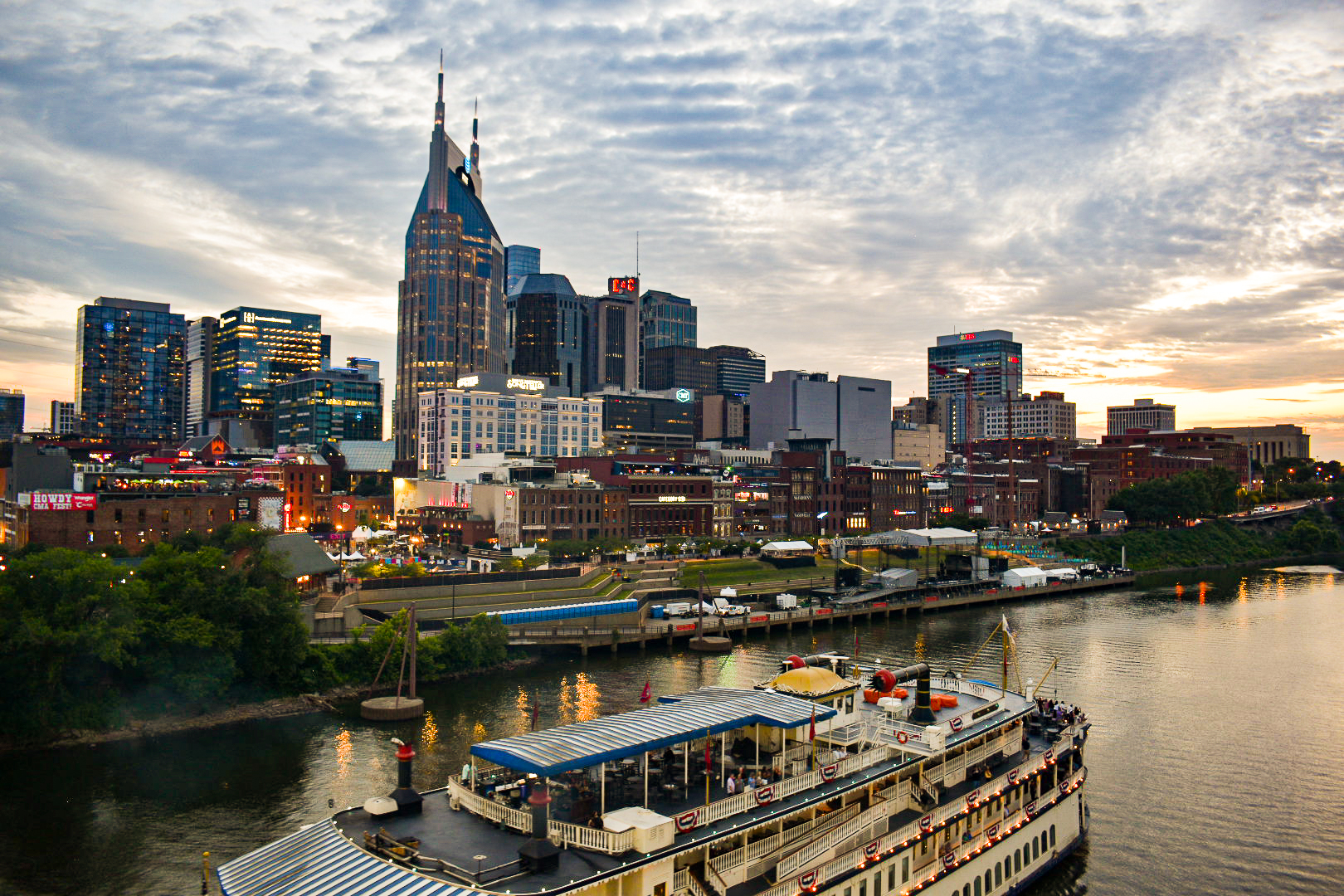
The Cumberland River corridor, Jefferson Street, and the migration routes that brought country and gospel into the same geography — Nashville is where the practice's Place, Practice, and People sectors converge most fully. This field record is early — the Known Portrait below holds what's been documented so far, with room for individual Records as the work deepens.
Identity
Portfolio status
4
Active sectors
Custom
Licensing portfolios
Known Portrait — Selected imageryFull collection available on request
Cumberland River
Cumberland River
Jefferson Street
Jefferson Street
Music Row
Music Row
Worship & Gospel
Worship & Gospel
Records
Records will appear here as the work deepens.
Active Sectors
PlacePracticePeoplePassage
PlaceThe Cumberland River corridor, Jefferson Street, the migration routes that brought country and gospel into the same geography.
PracticeMusic, worship, cuisine. The living traditions that grew directly out of that geography.
PeopleThe artists and elders who carry Nashville's cultural origin forward. Asher HaVon. The Jefferson Street community. Pastor Ross.
PassageThe experience design and operator work this Portfolio enables for travel partners and hospitality clients.
License the Nashville archive.
An early-stage field record of a city where the practice's Place, Practice, and People sectors converge most fully. What you license is primary source material from a research practice documenting Nashville from the inside.
The archive will expand as the Known Portrait deepens and individual Records are added. Every inquiry is a direct conversation.
RightsNegotiated per use — web, print, campaign, editorial
RegionNashville, TN — Davidson County
Contact
South Florida — Identity Portfolio
The Miami Archive.
South Florida's coastal geography and Caribbean-facing waterways, traced along the same Atlantic corridor that connects Nassau, Miami, Key West, and Tarpon Springs — the Bahamian sponging heritage the practice already documents on Florida's Gulf side. This field record is early — the Known Portrait below holds what's been documented so far, with room for individual Records as the work deepens.
Identity
Portfolio status
4
Active sectors
Custom
Licensing portfolios
Known Portrait — Selected imageryFull collection available on request
Atlantic Corridor
Atlantic Corridor
Bahamian Heritage
Bahamian Heritage
Coastal Waterways
Coastal Waterways
South Florida Hospitality
South Florida Hospitality
Records
Records will appear here as the work deepens.
Active Sectors
PlacePracticePeoplePassage
PlaceSouth Florida's coastal geography and Caribbean-facing waterways — the Atlantic corridor connecting Miami to Nassau, Key West, and the Gulf.
PracticeThe Caribbean and Bahamian cultural currents running through South Florida, traced through the sponging trade that also built Tarpon Springs.
PeopleThe carriers of that Atlantic-corridor heritage — documented alongside the same Bahamian sponging communities the practice already knows from Tarpon Springs.
PassageThe scale of Miami's hospitality market makes this the furthest-reaching Passage opportunity in the current thesis.
License the Miami archive.
An early-stage field record tracing the same Atlantic corridor and Bahamian sponging heritage the practice documents in Tarpon Springs, extended south to Miami. What you license is primary source material from a research practice working across that corridor.
The archive will expand as the Known Portrait deepens and individual Records are added. Every inquiry is a direct conversation.